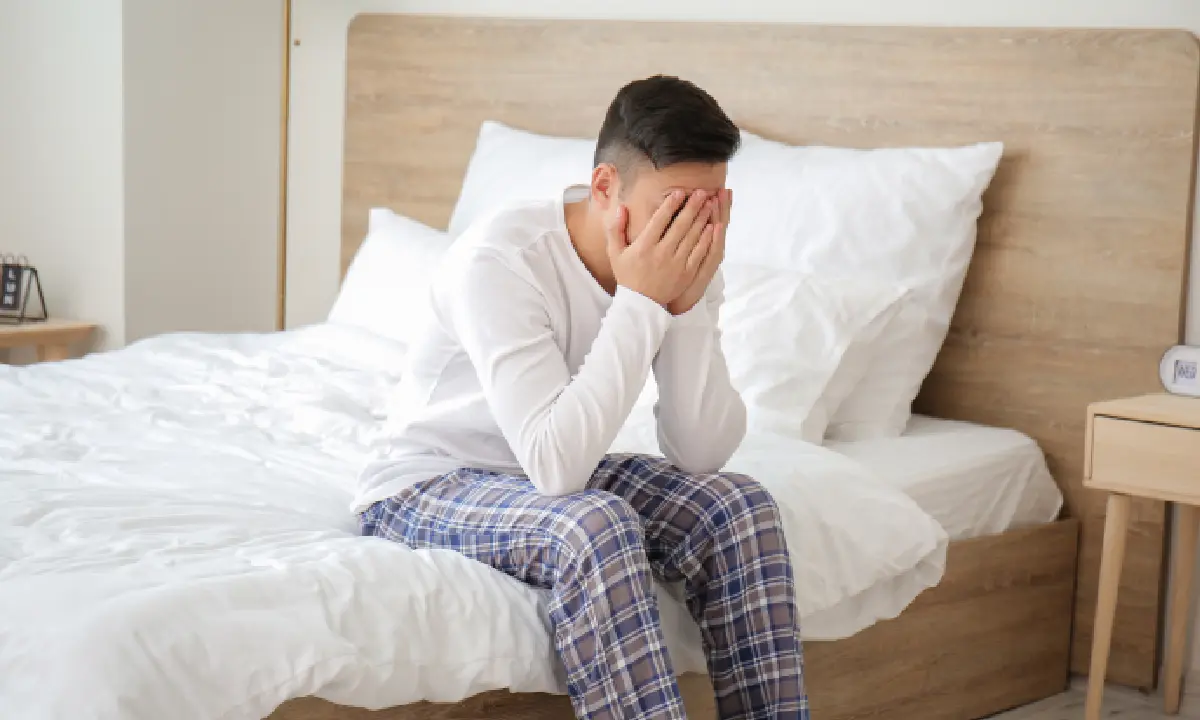
For many people, sleep is often the first thing sacrificed. That's the mindset some people are living by. They stay out late with friends. They start a new series at 11 pm. Some check emails in bed. While others scroll until their eyes burn a little. For you, sleeping can wait.
But here's the catch: it rarely works! They wake up dizzy. They're extra irritable. Cravings for sugar intensify. Moreover, coffee becomes less of a preference and more of a necessity. And somehow, even after a full night's sleep the next day, they still feel off.
Sleep isn't something a person can keep cutting back on without consequences. When sleep is sacrificed, the brain slows down and the immune system begins to struggle. It's subtle at first, until it isn't.
Think sleep is optional? The body might disagree. Keep reading to learn why.
The Hidden Cost of Sleep Deprivation
Experts recommend that adults sleep between seven and nine hours per night. Sleep deprivation occurs when an individual fails to get the amount of rest the body truly requires. It doesn't matter whether it's one short night or a full week of late nights.
Here are some effects of having poor sleep quality:
-
Brain Stops Functioning at Full Power
During deep sleep, your brain processes memories, clears out waste, and strengthens connections between nerve cells. If you don't get enough sleep, that process gets cut short. This can result in brain fog, trouble focusing, and slower thinking.
Over time, chronic sleep deprivation has been linked to long-term cognitive decline and conditions like Alzheimer's disease. One late night won't cause lasting damage, but making it a habit can increase your risk.
Quick check, does this sound like you?
- Forgetting things more often
- Having trouble concentrating
- Getting slow in decision-making
- Feeling less creative than usual
-
Mood Becomes Unstable
Sleep and mental health are closely connected. Disrupt one, and the other often follows.
Ever notice how everything feels more intense when you're tired? That's because sleep deprivation affects the amygdala, the part of the brain responsible for emotional reactions. When a person lacks sleep, this area becomes more reactive, while the rational part of the brain struggles to regulate it.
Long-term sleep problems are also associated with conditions like depression and anxiety. People with anxiety may experience nervousness, poor concentration, restlessness, gastrointestinal distress, and fatigue.
-
Heart Health Takes the Hit
Sleep is when your heart rate and blood pressure naturally drop, allowing your cardiovascular system to recover. On the other hand, when you don't get enough sleep, your body produces more stress hormones like cortisol. Elevated cortisol levels can increase blood pressure and strain your cardiovascular system.
Over time, chronic sleep deprivation is linked to a higher risk of type 2 diabetes, hypertension, and obesity.
-
Immune System Weakens
Try getting through a week of four-hour nights without catching a cold. Sleep supports immune function. When you're well-rested, your body is able to produce infection-fighting cells.
That's why people who consistently sleep less than seven hours are more likely to get sick. Your body simply can't fight infections as efficiently without proper rest.
-
Weight Changes Occur
Lack of sleep affects hunger hormones (specifically ghrelin and leptin). When you're sleep-deprived, ghrelin (the hormone that makes you hungry) increases, while leptin (the hormone that signals fullness) decreases. In short, sleep deprivation makes you crave more food, especially high-calorie comfort food.
So if you're constantly exhausted and craving sugar, it might mean your body is responding to hormonal imbalance.
-
Skin Shows the Effects
Sleep is prime time for tissue repair and collagen production. When you consistently sleep poorly, it can lead to:
- Dull complexion
- Dark circles
- Fine lines
- Slower skin healing
There's a reason "you look tired" is a thing. Your body repairs itself at night. Skip that repair, and it shows.
-
Productivity Levels Decline
Staying up late might feel productive. But sleep deprivation reduces reaction time and impairs judgment, sometimes to a level comparable to mild intoxication.
You may gain an extra hour at night, but you lose efficiency the next day. Sleep is not wasted time. It's biological maintenance.
Skipping sleep isn't ideal. Unfortunately, sometimes all-nighters are unavoidable. Deadlines, stress, even late-night scrolling can throw your sleep routine off. And once your body clock is out of sync, it's not that easy to bounce back overnight. Which is exactly why your body deserves the recovery time it needs.
Your Day Starts When You Sleep
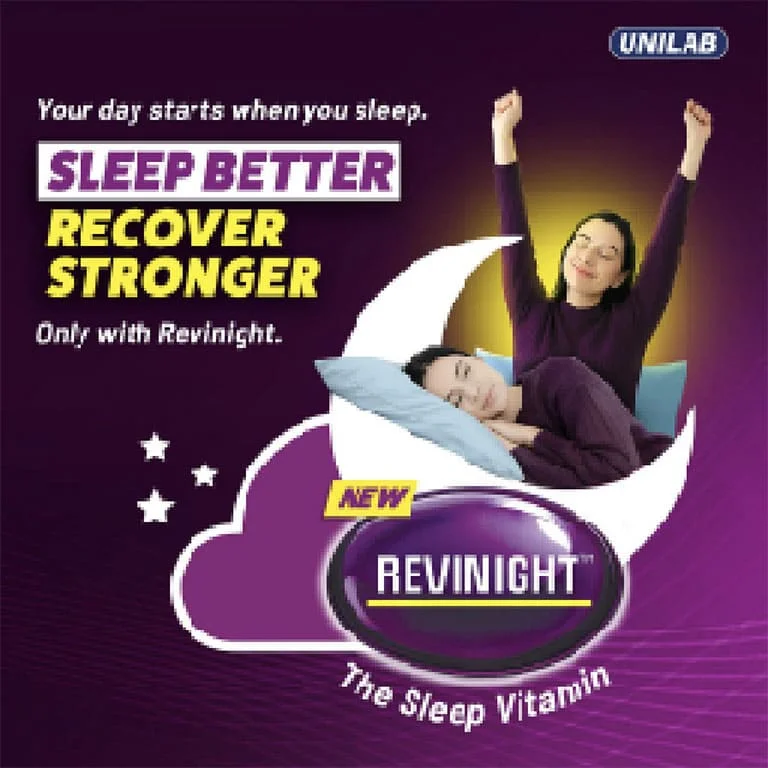
If you truly want to seize the day, start by protecting your night. Try REVINIGHT™ now.[Text Wrapping Break][Text Wrapping Break]It is developed to help support sleep without unnecessary additives:
-
Non-drug formula
-
Non-habit forming
-
100% sugar-free
REVINIGHT™, made by Unilab, is expertly formulated with magnesium to help lower fatigue and tiredness and the right levels of melatonin to help promote sleep and sustain restful sleep through the night. While you sleep, essential vitamins and minerals are released to help support organ repair at the cellular level, benefiting all your 36 vital organs, especially your brain.
Suggested Usage
Take one capsule of REVINIGHT™ 30 to 60minutes before bedtime, or as directed by your healthcare professional. It's intended for daily use, up to 30 days, to help restore your sleep cycle and help support consistent, restful sleep.
Mahalagang Paalala: Ang REVINIGHT™ ay hindi gamot at hindi dapat gamiting panggamot sa anumang uri ng sakit.
Reference:
https://www.ninds.nih.gov/health-information/public-education/brain-basics/brain-basics-understanding-sleep
https://www.sleepfoundation.org/sleep-deprivation/lack-of-sleep-and-cognitive-impairment
https://pmc.ncbi.nlm.nih.gov/articles/PMC6122651/
https://www.hopkinsmedicine.org/health/wellness-and-prevention/depression-and-sleep-understanding-the-connection
Sleep-and-heart-health.html
https://my.clevelandclinic.org/health/articles/22187-cortisol
https://www.sleepfoundation.org/mental-health/anxiety-and-sleep
https://pubmed.ncbi.nlm.nih.gov/18564298/
https://www.nhlbi.nih.gov/health/sleep/how-much-sleep
https://pmc.ncbi.nlm.nih.gov/articles/PMC3256323/
https://pmc.ncbi.nlm.nih.gov/articles/PMC12622943/
https://my.clevelandclinic.org/health/diseases/23970-sleep-deprivation
https://www.sleepfoundation.org/sleep-deprivation/how-sleep-deprivation-affects-your-heart
https://www.sciencedirect.com/science/article/pii/S0735109719359492
https://www.bhf.org.uk/informationsupport/support/healthy-living/managing-your-weight
https://pubmed.ncbi.nlm.nih.gov/17212793/