.webp)
.webp)
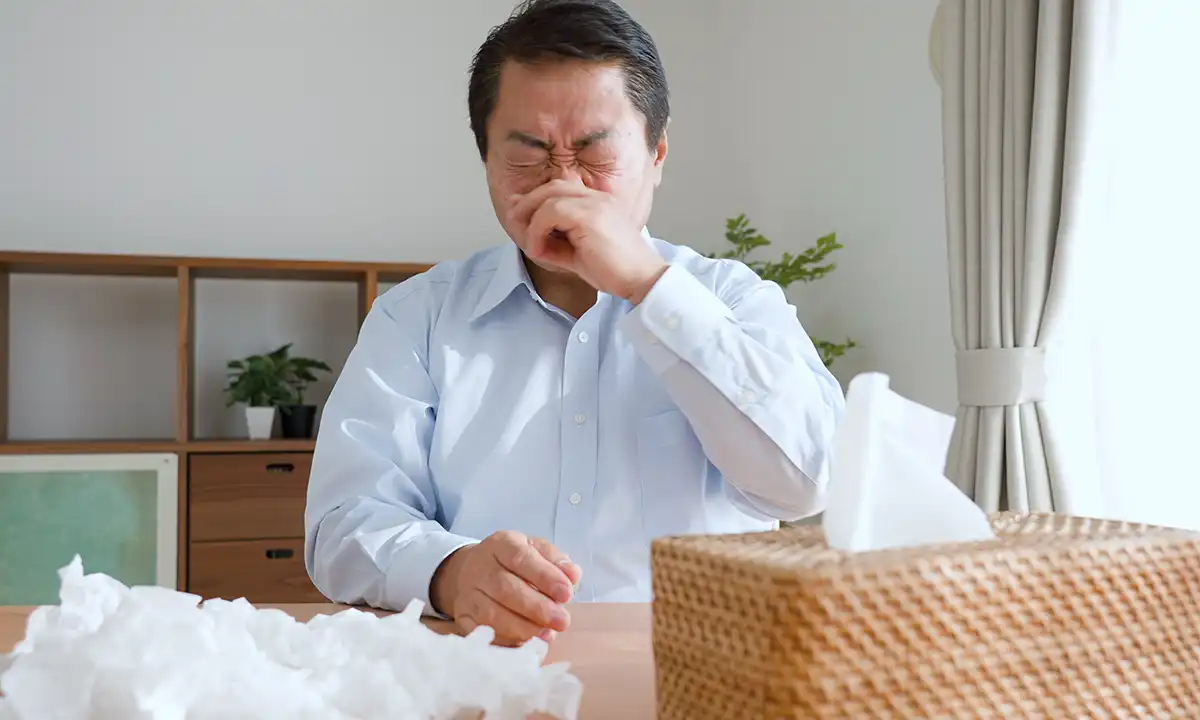
It usually starts with a round of sneezing, either while you’re working on an important report or on a call with someone important. The sneezing continues, but suddenly, your nose starts to run, your eyes begin to water, and your skin gets uncontrollably itchy.
Such is the life of someone who may often struggle with allergic rhinitis.
If you often find yourself in this situation, know that you’re not alone. Around 400 million people worldwide are known to experience symptoms of allergic rhinitis, also known as hay fever. Let this guide help you understand why a health issue like this manifests in the first place and how to resolve symptoms right away.
What Are the Main Causes of Allergic Rhinitis Anyway?
One word: Allergens. Signs of allergic rhinitis manifest as a response to airborne allergens that you unconsciously inhale. Your body deems these particles a threat, so it releases chemicals called "histamines" that attempt to fight the allergens. Some of the common “culprits” behind the allergens that trigger allergic rhinitis symptoms include:
-
Dust particles in carpets, bedding, and/or furniture
- Pollen from trees, grass, and/or weeds
- Mold spores
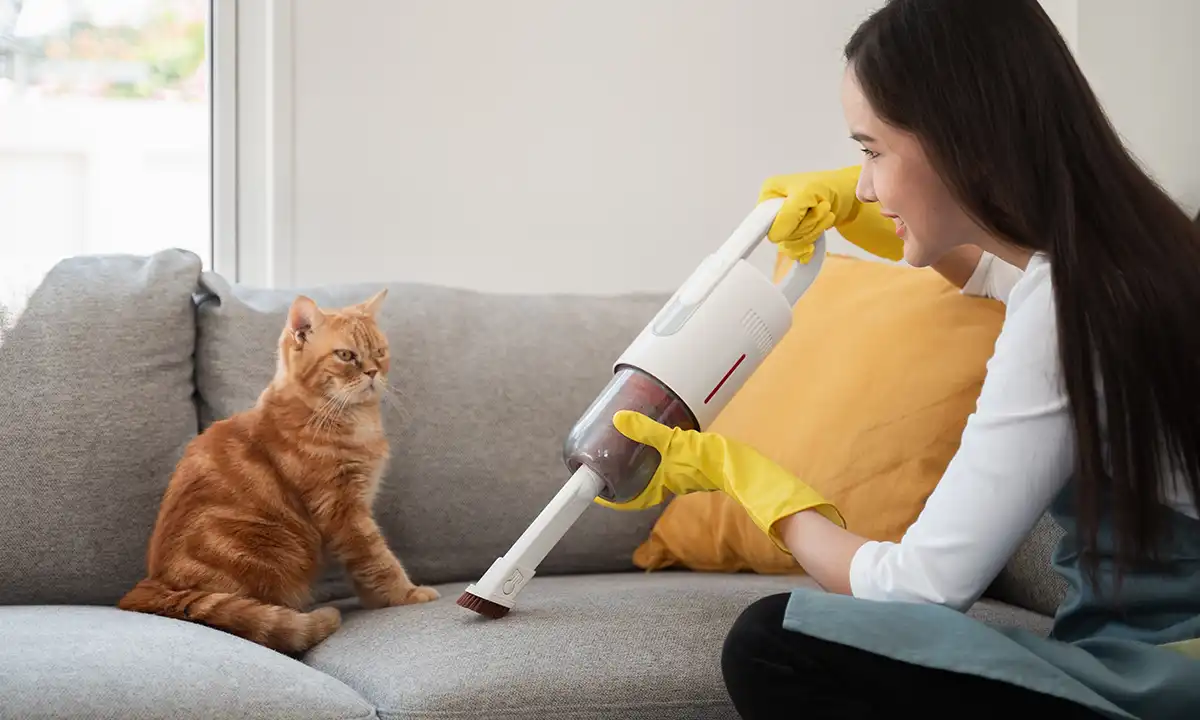
- Pet dander or small dead skin cells from pets
- Cockroach waste and saliva
Ideally, people should avoid these allergens or remove any traces of them to avoid triggering allergic rhinitis symptoms.

What Are the Common Symptoms of Allergic Rhinitis?
Unfortunately, the release of histamines can trigger allergic reactions that many people are now familiar with. For people dealing with allergic rhinitis, these include:
-
Clogged, runny, and/or itchy nose
- Sneezing
- Itchy, red, or watery eyes
- Itchy throat
- Headaches
- Pressure on the sinuses
- Mucus in the nose and throat
- Postnasal drip
- Wheezing
- Coughing
- Breathing difficulties
- Tiredness or lack of energy
Fortunately, some cures for allergic rhinitis symptoms can help people feel better and ensure that these health issues don’t take up a significant portion of their daily routines.
How Does One Treat Allergic Rhinitis?
There are a couple of lifestyle strategies you can consider to relieve signs of allergic reactions. Some examples include:
-
Refraining from touching the face and/or rubbing the eyes or nose
- Washing hands after playing with pets
- Covering pillows and/or mattresses to protect them against dust mites
- Staying away from pets or making sure they don’t jump on couches and/or beds
- Placing filters in an air conditioning unit to lessen the amount of allergens in the air
Aside from these, doctors and health experts have consistently advised people to take antihistamines (anti-allergy medicine) in case of allergic rhinitis symptoms (or any signs of an allergic reaction). The slight catch is: Not all antihistamines are the same.
Which Antihistamine Should You Take for Allergic Rhinitis Relief?
While this group of medicines does have the common goal of subduing histamines responsible for allergic reactions, some medicines can trigger different effects within the body. For starters, antihistamines can actually be divided into two “generations:”
-
First-generation antihistamines:
Includes diphenhydramine, chlorpheniramine, dimenhydrinate, doxylamine, hydroxyzine, and meclizine - Second-generation antihistamines: Includes loratadine, cetirizine, levocetirizine, desloratadine, fexofenadine, and azelastine
Although both groups of antihistamines help relieve allergic rhinitis symptoms, second-generation antihistamines may have a slight edge because of the lower risk of side effects like drowsiness. According to health experts, first-generation antihistamines are known to easily cross the blood-brain barrier and make their way into your central nervous system (CNS). As a result, some people may experience sleepiness. Fortunately, these side effects were not seen in second-generation antihistamines.
Why Make Loratadine Your Go-To in Case of Allergic Rhinitis Symptoms
As highlighted in the previous section, there are various types of second-generation antihistamines you can consider to relieve allergic rhinitis symptoms without drowsiness. So what should be your final call, then?
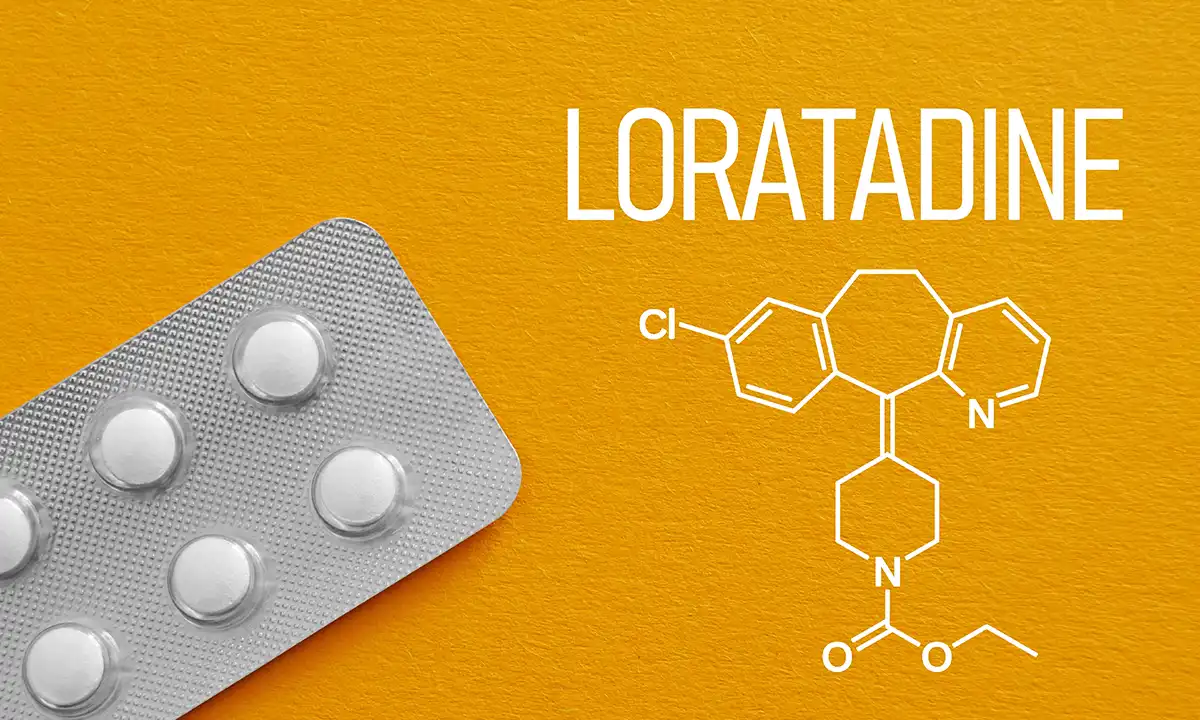
When dealing with allergic rhinitis symptoms, consider loratadine for non-drowsy allergy relief. Initial findings highlighted that a 10 mg loratadine dose did not trigger side effects like drowsiness. When you’re trying to power through a busy day while recovering from allergic rhinitis symptoms, an antihistamine that doesn’t make you feel sleepy or lethargic can make a big difference.
Authors of another study noted that loratadine significantly reduced total symptom scores (TSS) in patients struggling with allergies compared to those who took another type of antihistamine or a placebo.
Stop Repetitive Allergic Rhinitis Symptoms With the Help of This Antihistamine
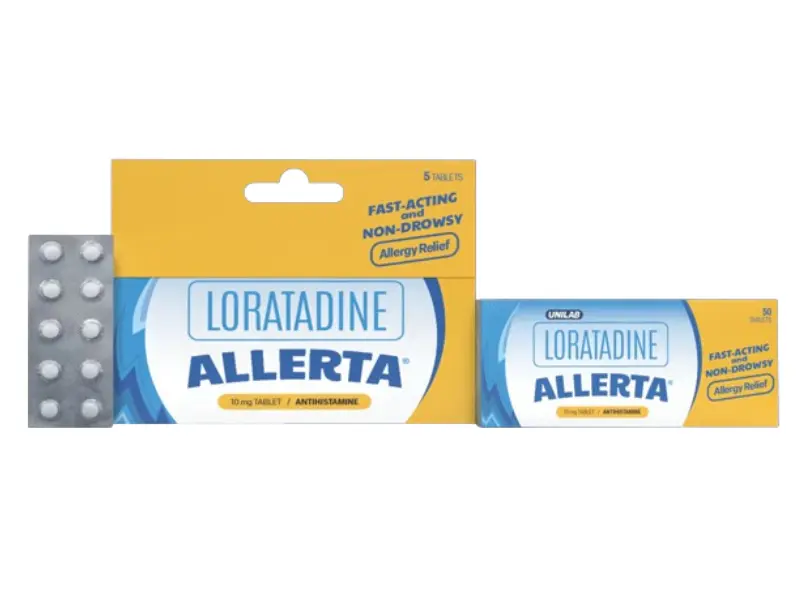
Tired of dealing with allergic rhinitis symptoms disrupting life’s ordinary and extraordinary moments? Stop allergy symptoms before they interrupt your day with the help of Loratadine (Allerta®)!
Each capsule has 10 mg of loratadine that helps relieve symptoms linked to allergic rhinitis, such as sneezing, runny and itchy nose, and itchy and watery eyes, and skin allergy symptoms like itching and rashes.
Suggested use of Loratadine (Allerta®) is one (1) tablet once a day for adults 12 years old and up or as recommended by a doctor.
Loratadine (Allerta®) is available online and in leading drugstores nationwide at a suggested retail price (SRP) of Php25.75 per tablet.
If symptoms persist, consult your doctor.
ASC Ref. No. U0031P073126A
References: