.webp)
.webp)

For many people living in Metro Manila, allergies are no longer just seasonal inconveniences. They can happen almost anytime and anywhere. One moment you’re commuting through traffic, the next you’re exposed to dust from construction sites, smoke, pollution, sudden rain, or extreme heat. All of which can trigger sneezing, itchy eyes, runny noses, or skin rashes.
Which explains why antihistamines have become a quiet essential in some people’s bags, drawers, and medicine kits.
But here’s the thing nobody likes talking about enough: some allergy medicines can make you feel sleepy. And not the simple “I could nap for a while” kind of sleepy. It can cause drowsiness, making it harder to focus, stay alert, or get through the day.
That’s why more people are considering Loratadine, especially as a non-drowsy alternative to Cetirizine.
And honestly? It makes sense.
Adult Responsibilities Don’t Pause for Allergies
You wake up with allergies, but still have to:
- Sit through three hours of Zoom meetings
- Finish a school presentation
- Drive through EDSA traffic
- Survive a mall crowd on a weekend
- Parent tiny humans with unlimited energy
Fortunately, this guide can help you better understand your options.
Why Allergies Happen in the First Place?
When your body encounters something it thinks is harmful (pollen, dust mites, pet fur, or mold), it releases a chemical called histamine.
It causes symptoms like:
- Sneezing
- Runny nose
- Itchy eyes
- Hives
- Nasal congestion
- Skin irritation
Antihistamines work by blocking histamine, helping calm those reactions down. But depending on the type of antihistamine you take, you might also end up feeling sleepy, sluggish, or mentally foggy afterward.
Not All Antihistamines Are Built the Same
There are generally two major types of antihistamines: first-generation and second-generation.
First-Generation Antihistamines
Older antihistamines, such as diphenhydramine, are known to cause drowsiness because they affect the brain more strongly. While helpful for allergy relief, they can leave you feeling sleepy and less alert during the day.
Taking higher doses can also lead to dizziness, ringing in the ears, or confusion.
Some people intentionally take them before sleeping because of the sedating effect. Which is fine, if your only plan afterward is bedtime. However, if you still have to do something, feeling sedated can be incredibly inconvenient.
Second-Generation Antihistamines
Newer antihistamines like Cetirizine and Loratadine were developed to help reduce allergy symptoms while being less sedating. And for many allergy sufferers, this was a huge improvement.
Cetirizine vs Loratadine: Why the Difference Matters
Here’s where personal preference starts to matter.
Both Cetirizine and Loratadine are popular second-generation antihistamines. Both are commonly used for allergies. But many users report one noticeable difference: Cetirizine can still make some people feel drowsy.
Not everyone, of course. Some take it and function perfectly fine.
Still, if staying alert throughout the day is a priority, the following factors may be worth considering.
-
Sleepiness
Cetirizine is more commonly associated with somnolence (sleepiness) than loratadine. While not everyone experiences it, some users report feeling drowsy shortly after taking it, especially during daytime use.
This can range from mild sleepiness to a stronger urge to nap, depending on individual sensitivity. Loratadine, on the other hand, is generally considered less sedating and is often described as a non-drowsy antihistamine option.
-
More Motivation
A clinical study found that people taking loratadine felt more motivated to carry out their daily activities during busy schedules compared with those taking cetirizine. However, individual responses can still vary, and no antihistamine is completely free from side effects for everyone.
-
Flexibility in Timing
Because cetirizine may cause drowsiness in some people, taking it in the evening can be a practical option. While this approach works well for many, others appreciate the flexibility of taking loratadine at a time that best fits their schedule.
How to Stay Functional While Managing Allergies?
Everyday allergy management isn’t just about stopping symptoms, it’s also about staying functional while you do it. Many people today prefer options that help relieve their allergy symptoms without the unwanted slowdown that can come with some antihistamines. That’s where ingredient awareness becomes important, especially when choosing between options like Cetirizine and Loratadine.
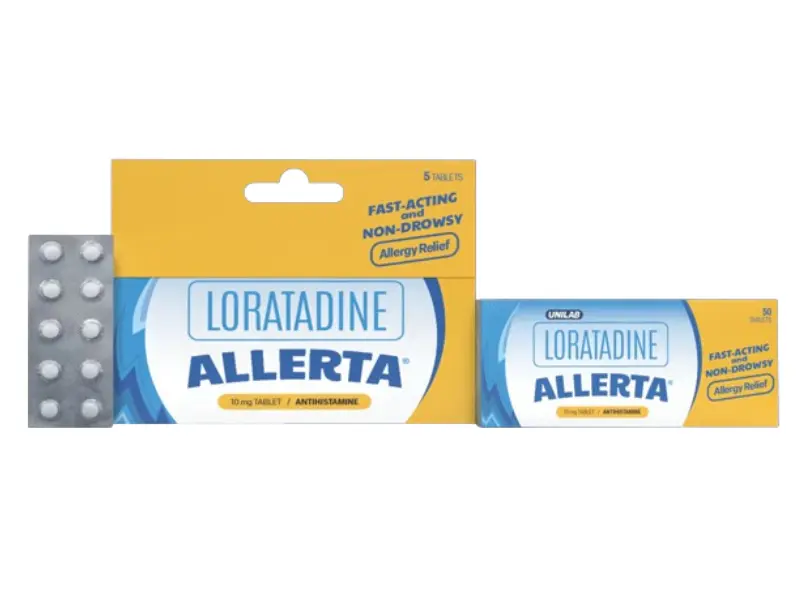
For those specifically looking for a Loratadine-based option that supports daytime alertness, consider Loratadine (Allerta®).
The non-drowsy formula contains Loratadine, which is less likely to cause drowsiness compared to cetirizine and older antihistamine classes.
It helps provide relief of symptoms associated with:
- Allergic rhinitis, such as sneezing, a runny, itchy nose, and itchy, watery eyes
- Skin symptoms of allergy, such as itch and rash
Loratadine (Allerta®) starts working in as fast as 15 minutes, helping you get back to your day without unnecessary delay.
What’s more, it is available for only PHP 25.75 SRP per tablet. You can purchase it at your nearest drugstore or through online ordering via Mercury Drug, Watsons, Southstar Drug, Rose Pharmacy, Med Express, Lazada, Shopee, and Big Grocer.
Friendly reminder: Remember to make it a habit to double-check the expiration dates of your medications and replace any items that have passed their prime.
If symptoms persist, consult a doctor.
ASC Ref. No. U0193P080426A
References:
- Cleveland Clinic – Environmental Allergies
- Cleveland Clinic – Histamine
- Cleveland Clinic – Antihistamines
- NCBI Bookshelf – Medical Reference Article
- PubMed – Medical Research Study 10868555
- PubMed – Medical Research Study 1355427
- NHS – Common Questions About Cetirizine
- The Independent Pharmacy – Cetirizine vs Loratadine for Hay Fever Relief
- NHS – Side Effects of Cetirizine
- GoodRx – Loratadine vs Cetirizine