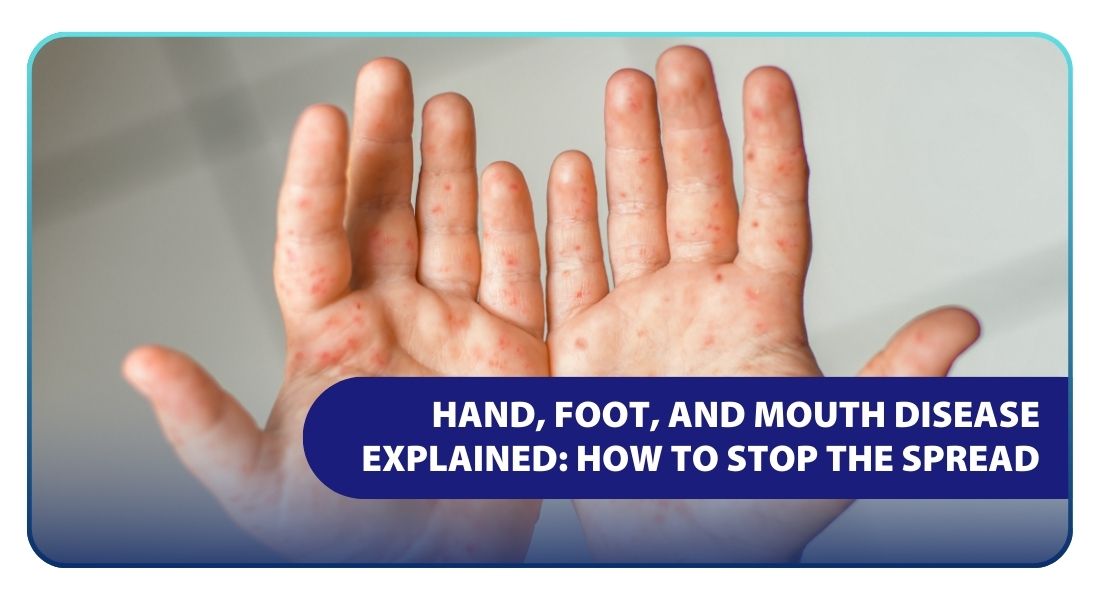
What is Hand, Foot, and Mouth Disease (HFMD)?
Hand, Foot, and Mouth Disease (HFMD) is a common viral infection1, especially among young children under five years old. However, it’s important to know that people of any age can get infected.
The illness is most often caused by a virus called Coxsackievirus A16, though other viruses can sometimes lead to similar symptoms. According to the Department of Health (DOH), there have been over 39,800 reported cases of HFMD in 2025, with half of these cases involving children aged one to three years old2.
While HFMD is generally mild and most people recover without complications, it’s known to be highly contagious3, especially in crowded settings. These include social settings like parties and family gatherings, as well as classrooms, daycare centers, and playgroups. This makes it important for parents, caregivers, and schools to recognize the signs early and practice preventive measures to help keep everyone healthy.
Symptoms of HFMD
The symptoms of HFMD can appear three to six days after exposure to the virus. Early signs often include1, 3, 4:
- Fever
- Sore throat
- Loss of appetite
- Painful red sores or blisters may appear inside the mouth and throat
- Rashes or blisters on the hands, feet, and even the diaper area
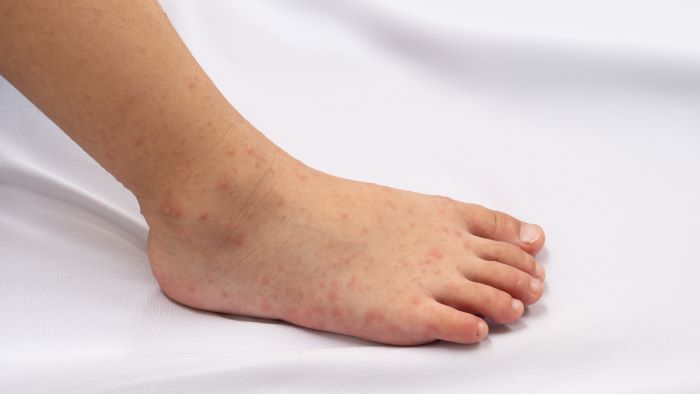
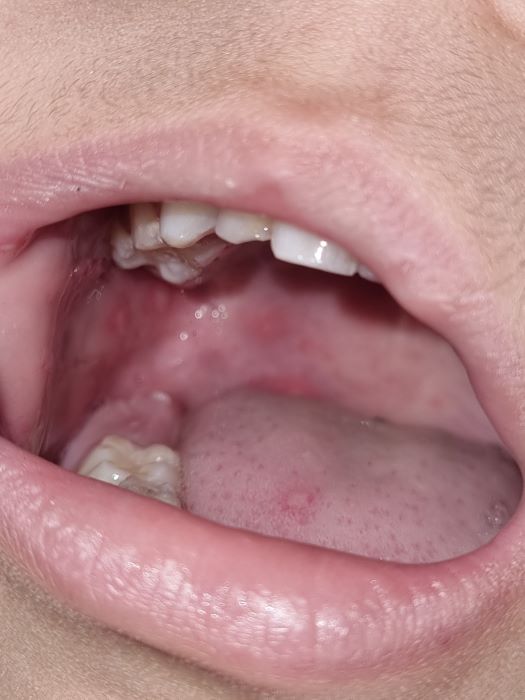
HFMD rarely causes severe complications. However, dehydration can occur if a child refuses to eat or drink because of painful mouth sores. That’s why it’s important to offer plenty of fluids, especially cold drinks that can soothe the mouth.
HFMD Treatment and Recovery
There is no specific medicine or vaccine for HFMD, but the good news is that most people recover on their own within 7 to 10 days.
Here are some simple steps to help manage symptoms at home:
- Rest and stay hydrated. Encourage your child to drink water to prevent dehydration.
- Use fever reducers. If your child has a fever or feels uncomfortable, over-the-counter medicines like paracetamol may help—but always follow your doctor’s advice3.
- Keep areas with blisters clean. Blisters may become red and painful. Wash blisters with soap and lukewarm water3. If a blister pops or oozes, you may use antibiotic ointment and bandages to protect it from infection3. Allow the blisters to dry naturally. Avoid popping blisters as the fluid inside them is infectious5.
- Hygienic practices. Wash hands frequently and avoid touching the blisters to prevent the spread of the virus.
If your child’s symptoms worsen or if they show signs of dehydration, it’s best to consult a doctor right away.
How Does HFMD Spread?
HFMD spreads very easily from one person to another1, 3, 4. The virus is present in:
- Fluid from blisters
- Saliva
- Nasal mucus
- Poop (stool)
It can spread through tiny droplets in the air when an infected person sneezes, coughs, or talks. These droplets can land on objects and surfaces such as toys, doorknobs, and tables.
When another person touches these contaminated surfaces and then touches their eyes, nose, or mouth, the virus can enter the body—leading to infection. This is why HFMD can spread quickly, especially in places where young children interact closely, like schools and play centers.
Avoid HFMD Through Handwashing
An effective way to prevent HFMD is proper handwashing3, 4. Teaching your kids how to wash their hands correctly—and doing it often—can significantly reduce the spread of the virus.
Here are some helpful habits to keep in mind:
- Wash hands with soap and water for at least 20 seconds, especially after using the toilet, changing diapers, or wiping a child’s nose.
- Before eating, make sure both you and your child have clean hands.
- Disinfect frequently touched surfaces such as toys, tables, and doorknobs regularly.
- Avoid close contact with people who are sick. If your child has HFMD, it’s best to keep them home from school while they get better.
By practising good hygiene and staying alert for early symptoms, you can help protect your family and community from HFMD. While this illness is common and usually mild, prevention and awareness go a long way in keeping everyone safe and healthy.
HFMD may sound alarming, but with proper care, hygiene, and awareness, it can be managed easily at home. Always remember—clean hands are your best defence against infection!
General disclaimer
Your doctor will always be in the best position to give the appropriate medical advice for your condition. For suspected undesirable drug reaction, seek medical attention immediately and report to the FDA at www.fda.gov.ph and UNILAB, Inc. at 8-UNILAB-1 or productsafety@unilab.com.ph. Always buy your medicine from your trusted drugstores and retailers.
Sources:
1. Hand-foot-and-mouth disease
https://www.mayoclinic.org/diseases-conditions/hand-foot-and-mouth-disease/symptoms-causes/syc-20353035
2. DOH: Hand, foot and mouth disease cases rise to 39,893
https://newsinfo.inquirer.net/2102268/doh-hand-foot-and-mouth-disease-cases-rise-to-39893
3. Hand, Foot, and Mouth Disease
https://kidshealth.org/en/parents/hfm.html
4. About Hand, Foot, and Mouth Disease
https://www.cdc.gov/hand-foot-mouth/about/index.html
5. Hand, foot and mouth disease https://www.betterhealth.vic.gov.au/health/conditionsandtreatments/hand-foot-and-mouth-disease