

The first day of school is here! For most parents, watching their kids take that next big step is a source of pride and emotion. However, for families with sickly kids, that excitement can come with worry. That concern is understandable. According to the latest PISA findings, 38% of Filipino students who experienced prolonged school absences cited illness as the reason.
While other parents are focused on class schedules, buying new notebooks, and preparing lunchboxes, they might be lowkey thinking about germs on desks and playground slides. One quick exposure to bacteria and viruses can quickly turn into sniffles, sore throats, and more absences.
Fortunately, by providing consistent care together with proper diet and exercise, parents can help support their children’s normal immune function and overall health.
Why Some Kids Get Sick More Easily
School-age children are still developing strong immune systems, so it’s perfectly normal for them to catch a cold from time to time. However, some kids seem to get sick more often than others. This may be a sign that their immune system is especially sensitive.
Bubble Boy Disease
Also known as Severe Combined Immunodeficiency (SCID), this rare condition makes the immune system extremely fragile. Children with SCID are missing key white blood cells, making them highly vulnerable to infections. In the 1970s, a boy with SCID had to live in a completely sterile plastic bubble to stay safe.
Overactive Immune System
Some children are born with an immune system that overreacts to harmless triggers such as dust, pollen, mold, or certain foods. These triggers are called allergens.
- Asthma – Allergens or irritants can cause coughing, wheezing, or difficulty breathing.
- Eczema – Certain triggers can cause red, itchy patches on the skin.
- Allergic Rhinitis – Sneezing, congestion, runny nose, and itchy eyes caused by allergens.
Nutrients That Support Immune Strength
A balanced diet rich in immune-supportive nutrients may help children’s bodies respond to infections efficiently.
Vitamin C
Vitamin C (ascorbic acid) is found in many fruits and vegetables. It acts as an antioxidant, supports collagen production, helps iron absorption, and supports proper immune function.
- Citrus fruits like oranges and grapefruit
- Red pepper, broccoli, strawberries, tomatoes, cantaloupe, and potatoes
Vitamin C can be reduced by prolonged storage or cooking. Steaming or microwaving helps preserve more of it.
Zinc
Zinc helps the immune system fight bacteria and viruses and supports growth, wound healing, and appetite. Children with low zinc intake may experience frequent infections, slow growth, or fatigue.
The recommended daily intake for children ranges from 3–5 mg, depending on age.
Food sources include lean meats, eggs, seafood, beans, nuts, dairy products, and fortified cereals.
Beta Glucan
Beta-glucan is a natural fiber found in mushrooms, oats, and yeast. It helps activate immune cells such as macrophages and natural killer (NK) cells.
Beta-glucan derived from Saccharomyces cerevisiae (baker’s yeast) is commonly used in supplements and may help reduce the severity, frequency, and duration of common illnesses.
Daily Habits That Help Protect Sickly Kids
1. Promote Good Sleeping Habits
Children aged 6–12 need 9–12 hours of quality sleep each night. Lack of sleep weakens immune responses.
2. Keep Them Active
Regular movement improves circulation and helps immune cells function effectively.
3. Don’t Forget Hydration
Water supports all bodily functions and helps maintain immune health.
4. Help Them Learn Good Hygiene
Handwashing, covering coughs and sneezes, and not sharing utensils can significantly reduce infection risk.
5. Provide Food Supplements
During growth spurts, children may need additional nutrients. Supplements can help support nutritional needs when used with proper diet and exercise.
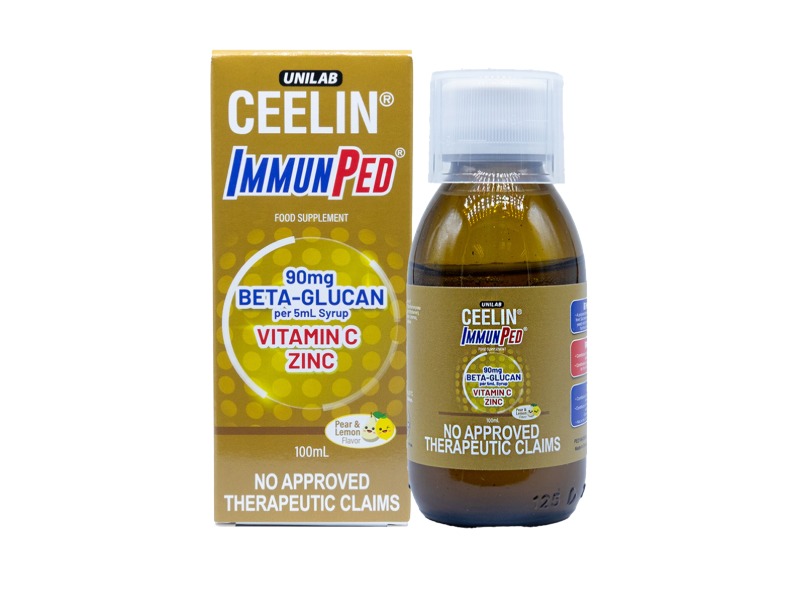
Ceelin® Immunped: Food Supplement for Kids
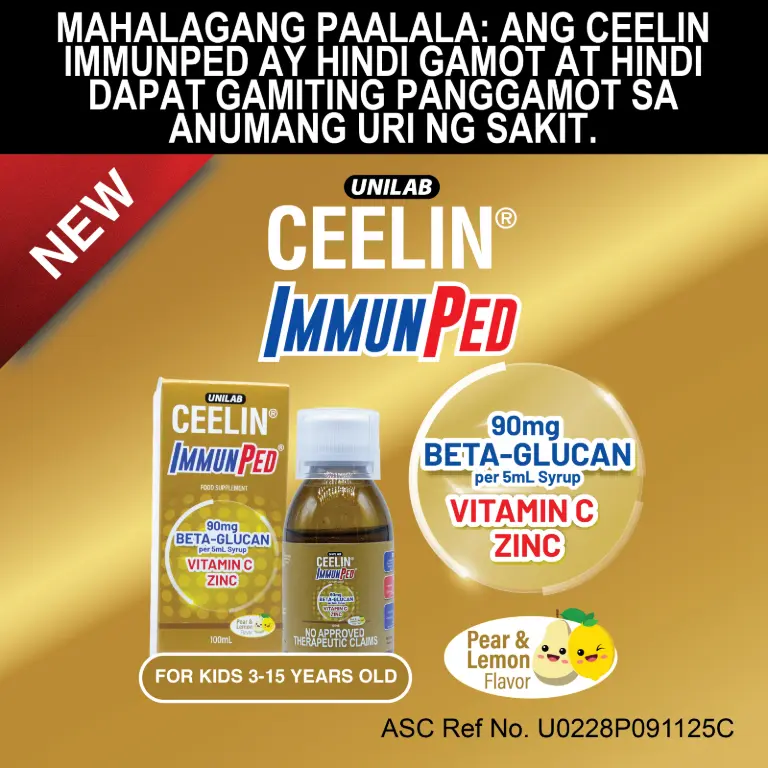
Ceelin® Immunped contains beta-glucan, vitamin C, and zinc to help support normal immune function when taken as part of a balanced diet and healthy lifestyle.
MAHALAGANG PAALALA: ANG CEELIN® IMMUNPED AY HINDI GAMOT AT HINDI DAPAT GAMITING PANGGAMOT SA ANUMANG URI NG SAKIT.
ASC Ref No. U0152P011926C
References
- Chi, C. (2023, December 11). Behind Philippines’ poor PISA performance: Worst long-term absenteeism in the world . Philstar.com
- CHOC. (2025, November 20). Why is my child always sick? A pediatrician answers your questions . CHOC – Children’s Health Hub
- Johns Hopkins Medicine. (n.d.). Disorders of the immune system
- Simon, A. K., Hollander, G. A., & McMichael, A. (2015). Evolution of the immune system in humans from infancy to old age . Proceedings of the Biological Sciences
- European Food Safety Authority. (2015, November 13). Vitamin C and contribution to the normal function of the immune system
- Office of Dietary Supplements, National Institutes of Health. (2022, October 4). Zinc – Fact Sheet for Consumers
- Bhoite, R., Satyavrat, V., & Sadananda, M. P. (2022). Clinical benefits of β-glucan supplementation in children . Discover Food
- McFarlin, B. K., et al. (2024). Baker’s yeast beta-glucan supplementation and immune response after exercise
- Javmen, A., et al. (2015). β-Glucan from Saccharomyces cerevisiae induces IFN-γ production in vivo . In Vivo
- Waszkiewicz-Robak, B. (2013). Spent brewer’s yeast and beta-glucans as diet components . IntechOpen
- Nemours KidsHealth. (2024, May). 10 ways to help your child get a better night’s sleep
- Paruthi, S., et al. (2016). Recommended amount of sleep for healthy children . Journal of Clinical Sleep Medicine
- Nieman, D. C., & Wentz, L. M. (2019). The compelling link between physical activity and the body’s defense system . Journal of Sport and Health Science
- St. George’s Nursery. (2025, March 20). The importance of water and hydration in early childhood
- Centers for Disease Control and Prevention. (2024, April 16). Healthy habits: coughing and sneezing
- NewYork-Presbyterian. (n.d.). Protecting your child from infections
- Southwestern Pediatrics. (n.d.). Understanding growth spurts and their impact on nutrition