



Nafarin-A Phenylpropanolamine HCl Chlorphenamine Maleate Paracetamol 100s
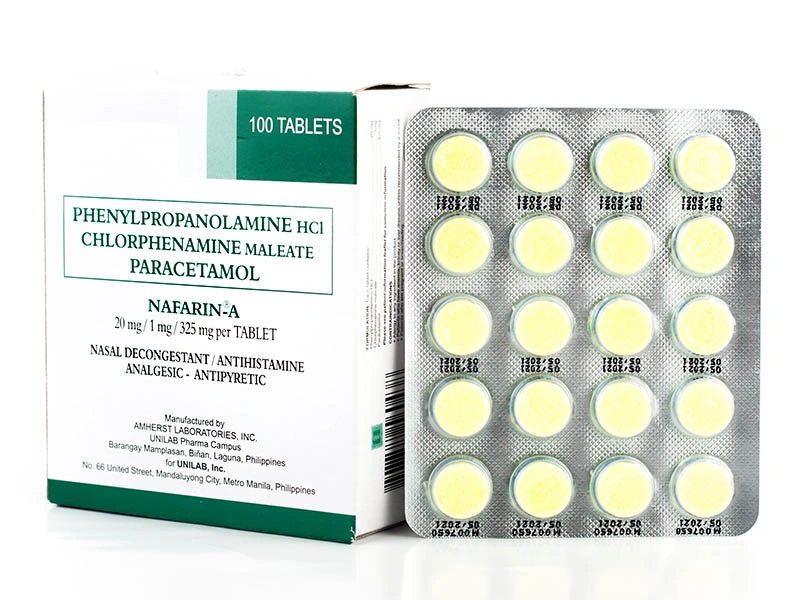
Nafarin-A Phenylpropanolamine HCl Chlorphenamine Maleate Paracetamol 100s
This medicine is used for the relief of clogged nose, runny nose, postnasal drip, itchy and watery eyes, sneezing, headache, body aches, and fever associated with the common cold, allergic rhinitis, sinusitis, flu, and other minor respiratory tract infections. It also helps decongest sinus openings and passages.
Ships within 1-2 business days
9,999.00
SIZE:
One-time purchase
Buy Once, No Subscription Required
Choose your subscription plan:
No subscription plans are available for this size.
How Subscribe & Save Works
Your subscription will be delivered based on the selected schedule. You'll receive reminders before each delivery and can pause, skip, or cancel anytime.
Pharmacist-Assisted Continuity
A licensed pharmacist will contact you when your subscription or prescription is about to end to assist with renewal and ensure proper medication management.
QUANTITY:
Key Benefits:
- Combination of decongestant and anti-histamine
- Provides gentle relief so you can feel better, sleep better and breathe comfortably
- Potent decongestant (Phenylpropanolamine HCl – PPA)
- Effectively provides symptomatic relief of discomforts due to nasal congestion even at a low dose
- Contains paracetamol
- Relieves headaches, muscle and joint pains normally associated with flu conditions
- Anti-histaminic action occurs within 10 to 15 minutes upon ingestion

FDA
Approved

Pharmacist
Reviewed
- Combination of decongestant and anti-histamine
- Provides gentle relief so you can feel better, sleep better and breathe comfortably
- Potent decongestant (Phenylpropanolamine HCl – PPA)
- Effectively provides symptomatic relief of discomforts due to nasal congestion even at a low dose
- Contains paracetamol
- Relieves headaches, muscle and joint pains normally associated with flu conditions
- Anti-histaminic action occurs within 10 to 15 minutes upon ingestion
-
PRODUCT DESCRIPTION
Nafarin-A
Three-layered (yellow-blue-yellow), octadomed tablet with ‘UAP’ insignia on one side and flat, plain, bevel-edged on the other side.
WHAT IS IN THE MEDICINE?
This medicine contains phenylpropanolamine HCl, chlorphenamine maleate and paracetamol.
Phenylpropanolamine HCl, a nasal decongestant, clears obstructed air passages and nasal sinuses due to congestion making breathing easier. It also reduces postnasal drip.
Chlorphenamine maleate, an anti-allergy, relieves symptoms such as runny nose, sneezing, and itchy, watery eyes.
Paracetamol is an effective fever reducer and pain reliever.
WHAT IS THIS MEDICINE USED FOR?
This medicine is used for the relief of clogged nose, runny nose, postnasal drip, itchy and watery eyes, sneezing, headache, body aches, and fever associated with the common cold, allergic rhinitis, sinusitis, flu, and other minor respiratory tract infections. It also helps decongest sinus openings and passages.
HOW MUCH AND HOW OFTEN SHOULD YOU USE THIS MEDICINE?
Adults and Children 12 years and older: Orally, 1 tablet every 6 hours, or, as recommended by a doctor.
Common questions about Nafarin®-A
This medicine is used for the relief of clogged nose, runny nose, postnasal drip, itchy and watery eyes, sneezing, headache, body aches, and fever associated with the common cold, allergic rhinitis, sinusitis, flu, and other minor respiratory tract infections. It also helps decongest sinus openings and passages.
Adults and Children 12 years and older: Orally, 1 tablet every 6 hours, or, as recommended by a doctor.
If you are allergic to any ingredient in the product
If you have high blood pressure or severe heart disease unless recommended by a doctor
If you have anemia, kidney or liver disease unless recommended by a doctor
If you are pregnant or breastfeeding
Do not use this product together with sympathomimetic agents, e.g., epinephrine, and general anesthetics, e.g., halothane, because of the possibility for increased toxicity.
Concurrent administration with medicines for depression such as monoamine oxidase, MAO, inhibitors, e.g., selegiline, moclobemide, and tricyclic antidepressants, e.g., amitriptyline, imipramine, may result in hypertensive crisis, sudden, severe increase in blood pressure that can lead to stroke.
Combined use of phenylpropanolamine and caffeine may produce an additive increase in blood pressure. Severe, life threatening, and occasionally fatal hypertensive reactions have been reported.
Medicines that cause sedation such as anxiolytics, e.g., alprazolam, diazepam, and hypnotics, e.g., zolpidem, may potentiate drowsiness.
Paracetamol, when used together with warfarin, a blood-thinning medicine, may cause an increase in the International Normalized Ratio, INR, which may serve as a sign of increased risk for bleeding. Paracetamol increases the anticoagulation effect of warfarin.
Medicines which stimulate the enzymes responsible for the metabolic activation of paracetamol such as medicines for convulsion, e.g., phenobarbital, phenytoin, may increase susceptibility to the harmful effects to the liver.
The absorption of paracetamol may be accelerated by metoclopramide or domperidone and reduced by cholestyramine.
Tell your doctor about other medicines you are taking, i.e., other medicines for cough, cold, allergy, pain, or fever, especially other paracetamol-containing products.
If you miss a dose, just take the next dose if still needed for the condition being treated, and the subsequent doses at the recommended time or schedule, i.e., every 6 hours.
Do not double the dose.
Keep the product out of reach and sight of children.
Store at temperatures not exceeding 30°C.
If you have taken more than the recommended dosage, consult a doctor or contact a poison control center right away, even if you seem well, because of the risk of delayed, serious liver damage. Quick medical attention is important for adults as well as for children even if you do not notice any signs or symptoms.
Before taking this medication, tell your doctor if you have:
High blood pressure or any type of heart problems
Glaucoma
Thyroid problems
Diabetes
Liver or kidney disease
An enlarged prostate, bladder problems or difficulty urinating
Stop use and ask a doctor if:
Fever gets worse or lasts more than 3 days
New symptoms occur