


3 min read
How to Prevent a Stroke
Majority of the causes of stroke are preventable by living a balanced and healthy lifestyle.
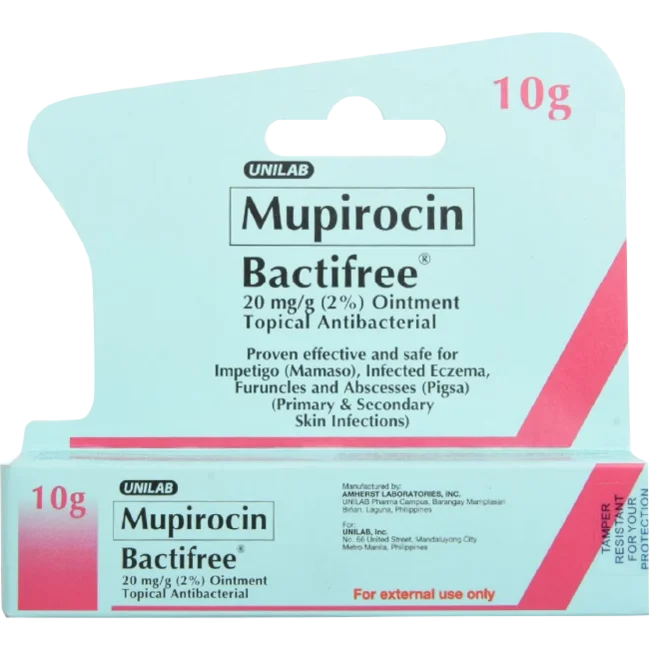
Bactifree Ointment Topical Antibacterial 10g
Prescription Drug
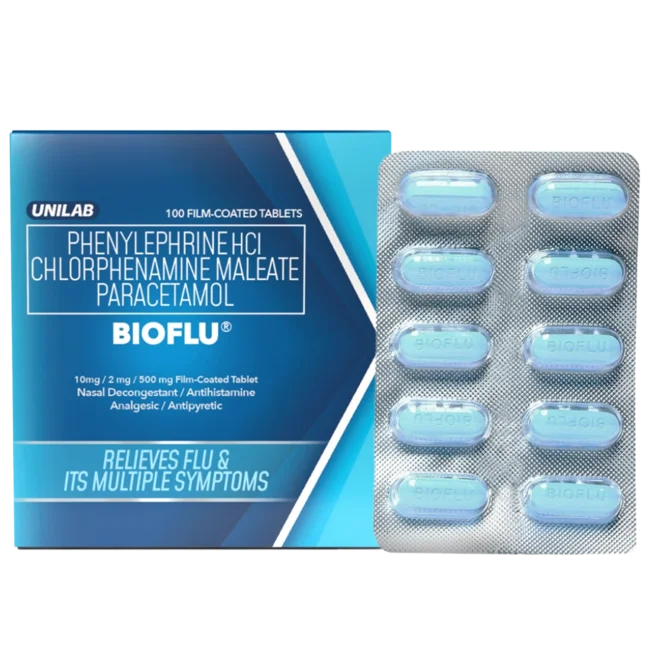
Unilab Bioflu 10 Tablets - Medicine for Relief of Flu and other symptoms
Relief for Flu and its multiple symptoms
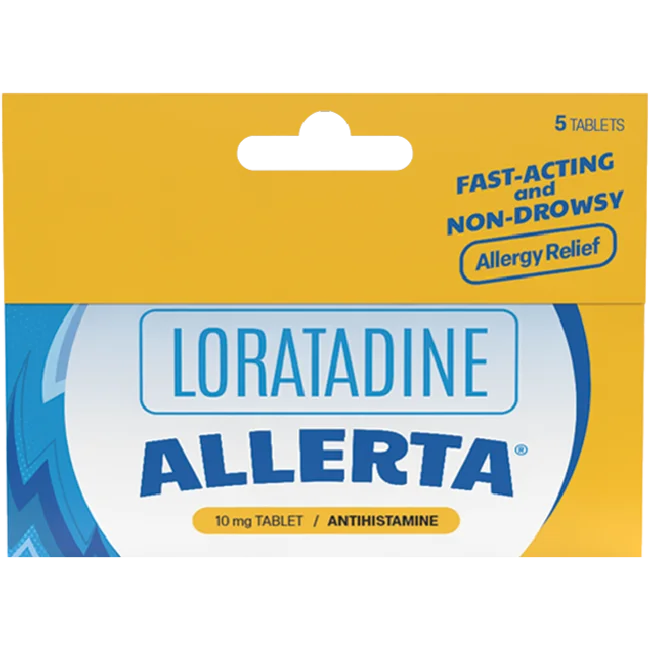
Unilab Allerta 10mg 5 Loratadine Tablets - For Fast Non-Drowsy Relief From Allergy and Its Symptoms
Fast-acting and non-drowsy allergy relief

In the Philippines, stroke is the third leading cause of death. According to data from the Philippine Statistics Authority (PSA), 10.1% of total deaths from January to September 2023 were due to stroke. This highlights the importance of recognizing the early signs of a stroke. One of the best ways of doing this is through the FAST stroke acronym, but there may be other telltale signs of stroke that you might not be familiar with.
A stroke happens when the blood flow to the brain gets blocked or when there is bleeding in the brain. The former is known as an ischemic stroke, and the latter is known as a hemorrhagic stroke.
Strokes are serious because any interruption in the blood flow to the brain can result in serious damage. It only takes a few minutes without blood and oxygen for brain cells to die off, and loss of brain cells can affect brain function, causing long-term disability that impairs quality of life, or even death.
The signs of stroke can vary from person to person depending on the severity of the stroke. However, one way to quickly determine if someone could be having a stroke is through the acronym “FAST.”
FAST refers to the following signs that one can check for when someone seems to be suffering a stroke:
Another thing to remember is to take note of when the symptoms start to manifest. This can help emergency responders take better care of the patient as they need to know when the stroke began.
While the FAST acronym is useful in determining if someone is having a stroke, the symptoms of stroke can manifest differently. Here are some other symptoms to look out for:
It can also be the case that someone might have had a stroke or is experiencing one without even knowing it. These are known as “silent” strokes.
The cause is not different from regular strokes, but these are called silent strokes because they affect parts of the brain that do not control important functions such as talking or walking. Some people might even mistake a silent stroke for regular symptoms of aging.
Some of these silent stroke symptoms include:
An MRI or a CT scan are the only tests that can identify if someone has had a silent stroke or not. Additionally, just because silent strokes do not immediately cause harm does not mean that they are not serious. After all, it is still a stroke, and even a silent stroke can cause permanent damage to the brain.
If you think someone might be having a stroke or if you might be having a stroke, the best thing to do would be to call emergency services or go to the nearest emergency room (ER) as soon as possible.
While waiting for emergency respondents, you can do the following:
A stroke is a serious medical emergency and the sooner it can be treated, the better the outcome. Like the last letter in the FAST acronym, time is of the essence when it comes to treating stroke.
The best way to deal with a stroke is to prevent it from happening in the first place. Here are some of the things that you can do about it:
Knowing the signs and symptoms of stroke and what to do when it happens can potentially save a person’s life. Always keep in mind the FAST acronym, as this can guide you on what you need to remember if someone experiences a stroke.
General disclaimer
Your doctor will always be in the best position to give the appropriate medical advice for your condition. For suspected undesirable drug reactions, seek medical attention immediately and report to the FDA at www.fda.gov and UNILAB Inc. at 8-UNILAB-1 or productsafety@unilab.com.ph. Always buy your medicine from your trusted drugstores and retailers.
Sources:
2023 Causes of Death in the Philippines (Provisional as of 30 November 2023) | Philippine Statistics Authority | Republic of the Philippine, Accessed August 29, 2024
Stroke - What Is a Stroke? | NHLBI, NIH., Accessed August 12, 2024
Stroke | Johns Hopkins Medicine,
Effects of stroke | Better Health Channel , Accessed August 13, 2024
What to Know Before Stroke | Northwestern Medicine, Accessed August 12, 2024
Learn More Stroke Warning Signs and Symptoms | American Stroke Association, Accessed August 12, 2024
Silent Stroke: Can You Have a Stroke and Not Know It, Accessed August 12, 2024
Stroke: What It Is, Causes, Symptoms, Treatment & Types, Accessed August 12, 2024
If Someone is Having a Stroke - Penn Medicine, Accessed August 19, 2024
Preventing Stroke | Stroke | CDC, Accessed August 12, 2024
Read about the latest updates and news on our healthcare initiatives, partnerships, and advocacy programs